
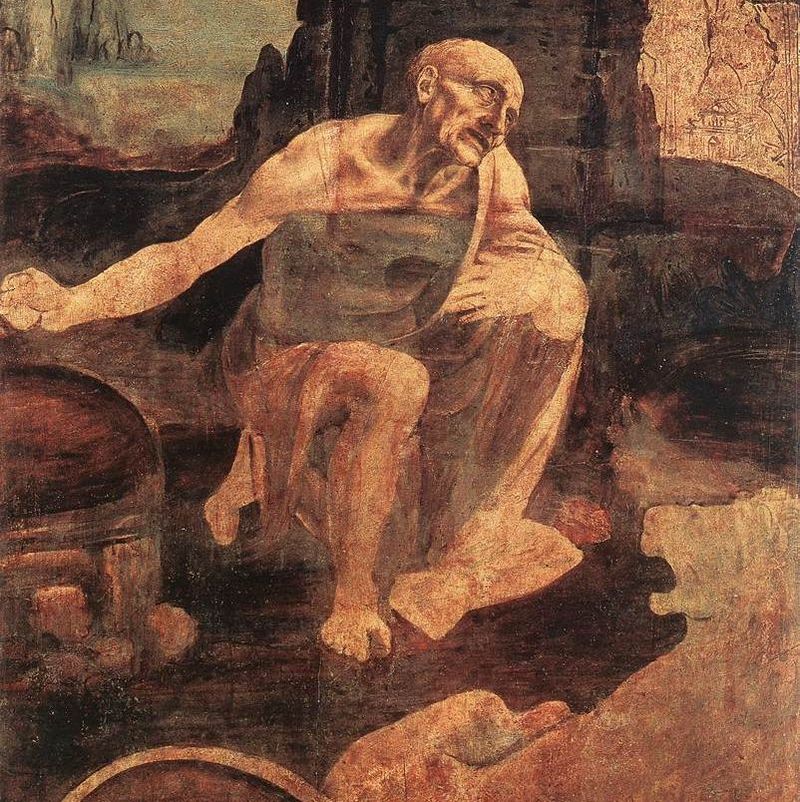
 God reveals himself to people through their religious experiences. We encounter God in various ways: ritual, nature, art, friendship. Often we want to share our experiences with other people. The authors had a religious experience which lead to a sharing and by this sharing the authors sought to create that religious experience in others. Over time, what began as oral traditions became a written tradition.
The stories and songs that inspired the ancient Israelites were first collected and written down during the reign of King Solomon, in the 9th century BC. Over the course of many centuries, others revised and expanded on this tradition, creating an anthology sacred writings. The contributors were many different people, writing for many different reasons, and in many different styles. The scriptures known as the Old Testament are very much like a patchwork quilt, stitched together by a skilled hand. The New Testament developed in a similar way over a shorter period of time, approximately 50 years. The earliest of these are the letters of an early missionary; next to be written were the Gospels, beginning with Mark, and followed by Matthew, Luke, and John. John is very different from the other three Gospels in both style and content. It wasn’t until the 16th century, as the Church responded to the Reformation, that the Church finally settled on a definitive list which books we call “the canon” or the Bible. As we read the Bible, we should always keep a few principles in mind. 1) Seek to understand the historical context in which a text was written; pay special attention to literary genre. 2) Look at the writing as a whole; we cannot isolate individual verses just to make a point. 3) Recognize that there are often layers of meaning to a given text; often there is no single “right” interpretation. Finally, 4) consult a Catholic study Bible or a Catholic biblical scholar for help to understand the wisdom of the community regarding the text.
0 Comments
|
AuthorWrite something about yourself. No need to be fancy, just an overview. Archives
January 2018
Categories
All
|
 RSS Feed
Proudly powered by Weebly